The Recovery Shelf: CBD, Cannabis and the New UK Gym Bag
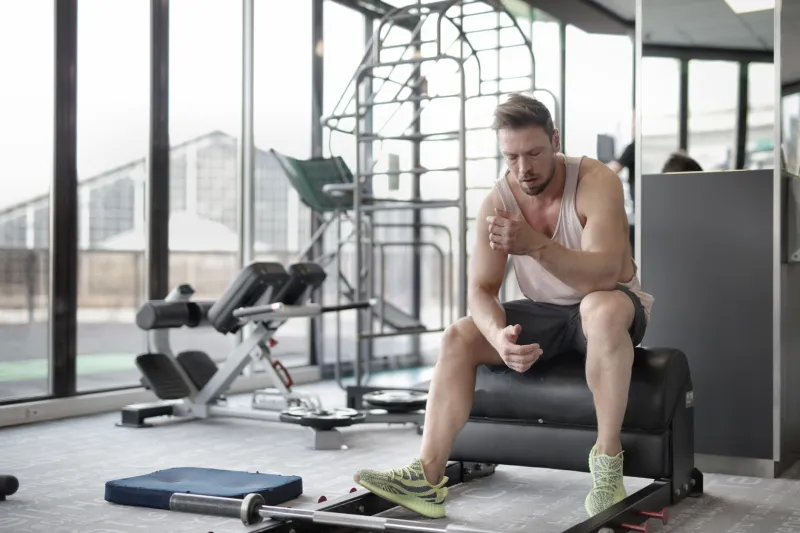
Walk into a UK gym in 2026 and the post-workout ritual has changed. The shaker bottle is still there, obviously. But next to it you might find a roll-on CBD balm, a dropper bottle of hemp-derived oil, magnesium flakes and a packet of electrolyte sachets. Somewhere in the changing room, somebody is discussing sleep, joint pain and whether their latest supplement is 'UKAD-safe'.
This is not a full-blown cannabis takeover of British fitness. It is quieter than that. Cannabinoids are slipping into the margins of gym culture: topical creams for sore knees, CBD oils for winding down, and, for a smaller group, prescribed medical cannabis for chronic pain or sleep problems that make training difficult in the first place.
The interesting question is not whether cannabis is 'good for athletes'. It is too broad, too loaded and too often used as a marketing shortcut. The better question is: what are UK gym-goers actually using, what does the research support, and what could get them into trouble?
From locker room to lab
Cannabinoids are a family of compounds found in cannabis. CBD, or cannabidiol, is the one most often sold in wellness products. THC is the psychoactive compound that gets you high and is controlled under UK drug law. Hemp-derived CBD products are legal only if they comply with novel food rules and contain no more than trace levels of controlled cannabinoids.
The evidence base is uneven. There is decent research on cannabis-based medicines for some forms of chronic pain, muscle spasticity and certain sleep issues, but it is not a blanket endorsement. CBD on its own has been studied for anxiety, sleep and pain, yet many trials are small, short or use different doses and delivery methods. Topical CBD is popular precisely because it feels low-risk, but the science on rub-on recovery is thin. A balm may feel soothing; that does not mean it is repairing muscle fibres.
There is also no credible evidence that CBD makes you stronger, faster or more explosive. If a product promises 'enhanced performance', treat that as a red flag rather than a training tip. Recovery is still built on sleep, food, progressive overload and not doing too much too soon. Cannabinoids might support comfort or relaxation around the edges. They are not a shortcut.
The anti-doping conversation
For anyone competing under the World Anti-Doping Code, this is where the conversation gets serious. Cannabinoids are prohibited in-competition under WADA rules. CBD itself is not on the prohibited list, but that does not make every CBD product safe for athletes. Products can be mislabelled, contaminated or contain more THC than the label suggests.
UK Anti-Doping's guidance is clear enough in principle: athletes are responsible for what is in their body. If you are subject to testing, check every product, keep records and do not assume a 'CBD' label tells the whole story. Medical cannabis is not an automatic anti-doping exemption either. A prescription may be legal in the UK, but competition rules are a separate layer. Athletes using prescribed cannabis should speak to UKAD and their sport's governing body before competing, not after a test.
For gym-goers who never compete, anti-doping rules may not apply. But workplace policies, insurance and gym membership terms might. A personal trainer, for example, may face different expectations from a recreational lifter. Read the small print before you assume nobody cares.
Legal realities for UK gym-goers
In the UK, CBD products sold as food or supplements must follow novel food rules and come from suppliers who can show they are compliant. The Food Standards Agency has a public list of credible CBD products, and it is worth checking. THC-containing cannabis is illegal for recreational use. Medical cannabis is legal only through specialist prescription, usually for a limited set of conditions, and it is not a gym supplement you can pick up at the counter.
That means the 'THC gummies' offered by a mate in the car park are not a wellness innovation. They are an illegal product with unpredictable strength. The same goes for 'low-THC' cannabis drinks or edibles that blur the line. If it contains controlled cannabinoids and is not prescribed, it is not legal just because it looks like a lifestyle brand.
There are practical issues too. Cannabis can affect coordination, reaction time and driving, even if you feel fine. CBD can interact with some prescription medicines, including blood thinners and epilepsy drugs. If you are pregnant, breastfeeding, on medication or managing a health condition, get proper advice rather than relying on a gym forum.
A practical gym-bag guide
If you are curious, start boring. Buy from a reputable UK supplier with batch testing and a clear cannabinoid profile. Check the THC content and the CBD dose. Keep a note of what you take and when, especially if you are training for an event. Patch-test topical products before slathering them on a large area. Do not swap medical care for a CBD oil, and do not use cannabis to mask an injury that needs a physio.
For medical cannabis patients, the gym can be a genuinely useful part of the picture: movement, strength work and routine can all support pain management and mental health. But timing matters. A dose that helps you sleep may not mix well with a heavy deadlift session. Carry your prescription, keep your clinician in the loop and be honest with yourself about impairment.
The UK fitness scene is right to be curious about cannabinoids. It is also right to be sceptical. The gym bag of 2026 can include CBD, but it should still include a bit of common sense.