Steeped in Doubt: Does CBD Tea Deliver Anything Beyond the Ritual?
There are few things more British than trusting a hot drink to solve a problem. Tired? Kettle on. Stressed? Kettle on. Trying to make sense of the CBD shelf? Apparently, kettle on again. CBD tea has become a quiet fixture of the UK wellness aisle, sold as a gentler alternative to oils, gummies and vapes. It looks familiar, smells faintly herbal and fits into a routine that already exists. That is its brilliance. It is also why it deserves a closer look.
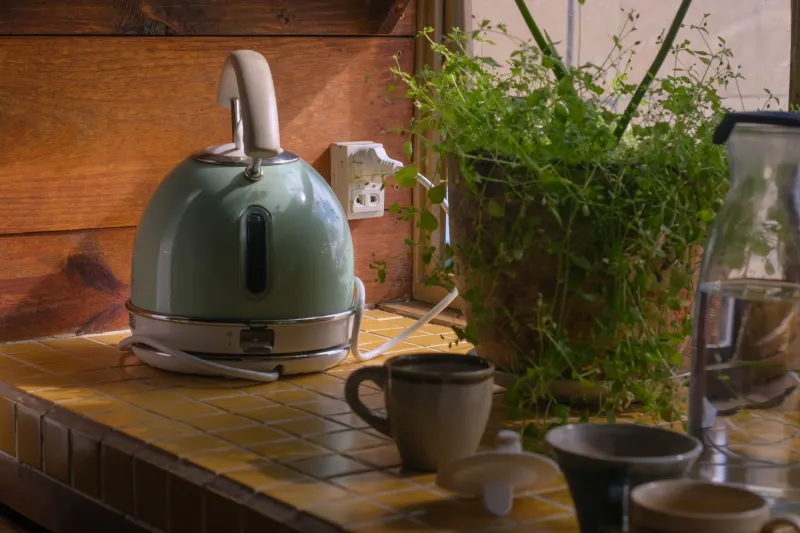
A nation of kettle-watchers
The appeal of CBD tea is not hard to understand. It asks for no new ritual. You boil water, you steep a bag, you drink it. No dropper, no measuring, no oily aftertaste. For people curious about cannabinoids but put off by the pharmacy-style language around medical cannabis, a box of tea feels low-risk and culturally adjacent to normal life. It sits somewhere between a builders tea and a bedtime chamomile, which is a powerful marketing position.
But familiarity can disguise uncertainty. A cup of tea is a pleasant delivery system for hot water and habits. It is not automatically a good delivery system for cannabinoids. The question is not whether CBD tea feels nice. The question is whether the CBD in the bag survives the journey into the mug in any meaningful, predictable amount.
The chemistry problem in a mug
CBD is fat-soluble. It prefers oil, alcohol or a carefully formulated emulsion to plain water. Tea, by contrast, is mostly water. When you steep a CBD-infused teabag, you are asking a lipophilic compound to dissolve in a medium it does not particularly like. Some CBD may transfer into the brew, especially if the product uses a powder, emulsion or solubilised format. But the amount can vary wildly with temperature, steep time, bag composition and the form of CBD used.
There is also the hemp-leaf question. Some teas contain hemp leaf or hemp flower rather than added CBD isolate. Hemp leaf can make a pleasant herbal infusion, but its CBD content is often low and variable. A tea that tastes of hemp is not necessarily a tea that delivers a meaningful dose of CBD. Flavour and cannabinoid content are different things, even if the packaging likes to blur them.
Then there is the issue of consistency. A CBD oil can be measured in drops. A teabag is a fixed unit, but the brewed result is less fixed. If you leave the bag in for two minutes instead of five, or use water just off the boil rather than boiling, you may get a different cup. For a product sold around relaxation and routine, that variability matters. Ritual is comforting, but it is not a dosing strategy.
Labels, labs and the novel food maze
In 2026, the UK CBD market is more regulated than it was in the early free-for-all years, but it is still not a simple place. CBD products sold as food or drink are expected to sit within the novel food framework, and the Food Standards Agency has been slowly working through applications. That process has improved the conversation around safety and THC limits, but it has not made every label trustworthy by default.
With tea, the label gap can be especially wide. A box might state a CBD amount per bag, but not how much actually infuses into the water. It might list hemp leaf alongside CBD, without making clear which one is doing the work. It might use words like calming or balanced while avoiding explicit medical claims. Some brands publish third-party lab results. Others offer a QR code that leads to a dead page or a certificate for a different batch.
This is not unique to tea, but tea makes the problem more visible. With an oil, you can at least see the liquid and measure it. With a teabag, the active ingredient is hidden inside paper. You are trusting the brand, the lab and the brew. That is a lot of faith for a cuppa.
The legal tightrope
UK CBD brands have to be careful about how they talk about tea. Sell it as a food or a drink and you are in one regulatory lane. Sell it as a supplement and you may be in another. Claim it treats anxiety, insomnia or pain and you are drifting towards medicinal claims that require authorisation. The result is a shelf full of careful language: unwind, balance, reset, evening ritual. Nothing too clinical. Nothing too specific.
That caution is understandable, but it can leave shoppers without the information they need. A neutral, informed approach would be simpler: state the CBD content, explain how it is infused, publish lab results and be honest about what a cup can and cannot do. Brands that do this stand out. Brands that lean on moody photography and vague wellness poetry are asking for a lot of trust with very little evidence.
How to read a CBD teabag
Start with the ingredient list. Is the CBD added as an isolate, a broad-spectrum extract or a hemp leaf blend? Is the amount per bag stated clearly, and is there any lab data for the brewed liquid rather than just the raw material? Look for batch numbers, THC limits and a clear statement that the product is not a medicine. If a brand cannot tell you what is in the bag, assume the mug is a gamble.
Then think about your expectations. If you want a warm, herbal drink that fits into an evening routine, CBD tea can do that job. If you want a reliable cannabinoid dose, an oil or a measured edible format is usually more predictable. Tea is not useless. It is just not a precise instrument. The kettle test is simple: does the product give you enough information to know what you are actually drinking?
The verdict: ritual plus evidence
CBD tea is not a scam by default, and it is not a miracle in a mug either. It is a pleasant format with real formulation challenges, uneven labelling and a legal backdrop that encourages brands to say less than they should. The British ritual of stopping for a brew is genuinely valuable. But ritual should sit alongside evidence, not replace it.
So enjoy the cuppa. Just do not confuse the comfort of the routine with proof of the dose. In a market still finding its feet, the most countercultural thing a CBD tea brand can do is be boringly clear about what is in the bag and what ends up in the cup.