Chalk, Bands and Balms: CBD's Uneasy Push Onto the UK Gym Floor
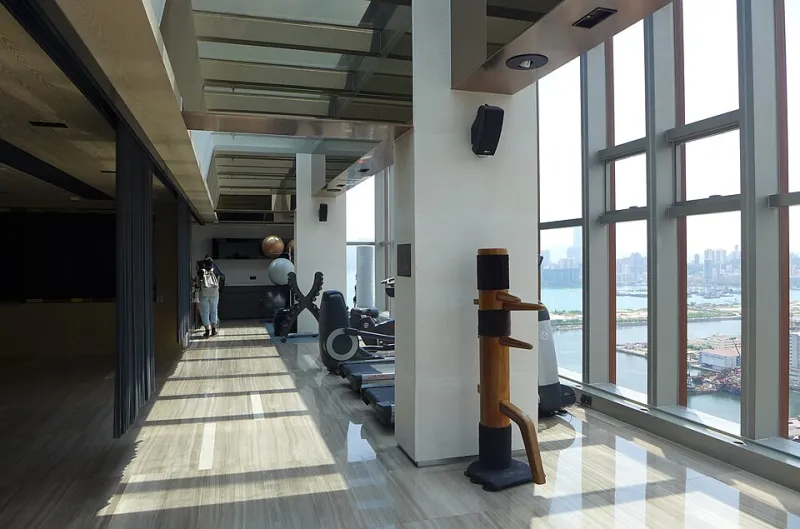
Photo: Wpcpey, CC BY-SA 4.0, via Wikimedia Commons
There is a moment, somewhere between the last set of wall balls and the walk to the car, when a gym becomes a retail opportunity. Bottles by the till. A balm in the changing room. A can of something with 20mg of CBD and a name involving the word recovery. In Britain in 2026, the wellness aisle has crept onto the training floor, and nobody has quite decided what to do about it.
What is actually being sold
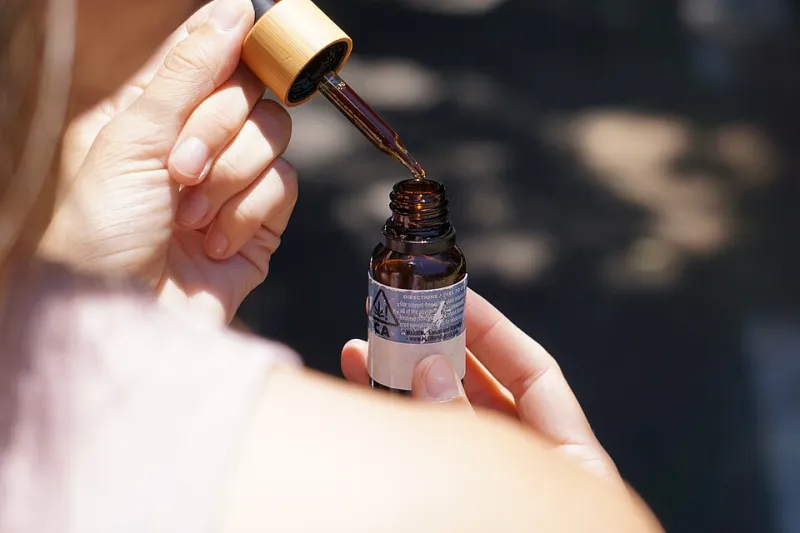
The range is broader than the marketing suggests. Cooling balms and roll-ons for knees and shoulders. Magnesium and CBD blends aimed at sleep. Recovery drinks and sachets in the 10 to 25mg range. Patches, a niche but growing category. And a lot of powders marketed to athletes that contain hemp seed or hemp protein and no meaningful cannabinoid at all.
That last category matters. Hemp seed is a food. It contains effectively no CBD. But a picture of a leaf on a tub does a lot of work, and plenty of gym-goers assume they are buying something they are not.
The claims problem
British rules on health claims are strict and boring, which is why they get ignored. There is no authorised health claim for CBD in the UK. It is not a registered novel food ingredient with approved claims attached, and it is not a licensed medicine. So when the person on the front desk says a balm reduces inflammation, the gym has just made a medicinal claim on behalf of a product it is selling. That is not a small thing, even if everybody does it.
Words like recovery, soothe and unwind live in a grey zone of puffery. Words like anti-inflammatory, pain relief and anxiety do not.
Anti-doping, and the contamination question
The good news for anyone competing: cannabidiol was removed from the World Anti-Doping Agency's prohibited list back in 2018 and is not banned in or out of competition. The bad news is that THC is, in competition, and the urinary threshold for a carboxy-THC finding is low enough that a badly made full-spectrum product can land someone in trouble.
UK Anti-Doping's position has been consistent. CBD itself is fine, but athletes are strictly liable for whatever turns up in their sample, and the supplement market is not held to a testing standard. A certificate of analysis showing a non-detect THC result on a specific batch is the only meaningful reassurance, and even that is only as good as the lab behind it.
For most people at a commercial gym, none of this will ever matter. Amateur testing is rare. But gyms run competitions, boxes host throwdowns, and the person sitting second on the leaderboard has a different risk profile from the person in the spin class.
The workplace wrinkle
Here is where it gets genuinely awkward. A gym is a workplace and it is also a retailer, and sometimes those two things occupy the same square metre. Staff who use CBD on shift, a personal trainer who recommends a brand to clients, a manager who orders stock and puts it next to the protein bars: each of those is a different relationship with the product.
Most gym chains have drug and alcohol policies written long before CBD drinks existed. Few have a clause explaining what staff may sell or recommend. Premises liability insurance may not stretch to product sales at all. And an independent box run by two people is unlikely to have thought about any of this.
Dosing in a culture of more
Gym culture rewards escalation. More weight, more volume, more supplements. CBD does not work like that. A 20mg drink is a modest dose, and stacking three of them after a session is not a recovery strategy. Yet the products are sold in a way that encourages stacking, and they taste like a soft drink rather than a medicine.
Is the fitness sector ready?
Not really, and there is no sign of a coordinated attempt to get it ready. What would help is unglamorous: gyms asking suppliers for batch certificates, staff being briefed on what they can and cannot say, a clear line between food supplements and anything medicinal, sensible age restrictions, and a paper trail when products are sold on site.
Until then, the CBD balm will sit next to the resistance bands, the person behind the desk will keep saying it helps with inflammation, and nobody will be entirely wrong or entirely right.