Counter Culture: The 2026 CBD Shopper’s Guide to Labels, Labs and Legal Hype

Photo: Eric Jones, CC BY-SA 2.0, via Wikimedia Commons
The UK CBD high street in 2026 does not look like a stoner fantasy. It looks like skincare, tinctures, vape pens, coffee, gummies and earnest shelf talkers about “balance”. Behind the counter, though, retailers are doing unpaid compliance work. Novel food rules, advertising scrutiny and lab-testing expectations have turned the once-freewheeling CBD shop into a place where paperwork matters as much as presentation.
That is not a bad thing. It is just a confusing thing for shoppers. So here is a practical field guide to buying CBD in the UK without swallowing the hype.
The novel foods maze, minus the jargon
CBD extracts are treated as novel foods in the UK. That means they need authorisation before they can be sold lawfully, and the Food Standards Agency keeps a public list of products and brands that have submitted applications. The list is useful. It is not a gold star. Being on it does not mean a product has full authorisation, and it certainly does not mean the label is accurate.
One independent retailer in Bristol told me customers increasingly ask, “Is this legal?” The honest answer is often, “The brand is on the list, but check the exact product.” That is the level of nuance the average shopper is not prepared for. If a product is not on the FSA list at all, walk away. If it is, check that the listing matches the product in your hand, not just the company name on the website.
What independent shops are actually watching
A Manchester retailer said the biggest change in 2026 is that suppliers are being asked harder questions. “We used to get a generic lab report from 2023 and a nice PDF,” they said. “Now we want the batch. If they cannot send it, we do not stock it.”
That sounds basic. It is also expensive and time-consuming for small shops. Some have dropped brands that make pseudo-medical claims because defending those claims to a trading standards officer is not worth the margin. Others have tightened up their websites, removing language about anxiety, insomnia and pain that veers into medicinal claims.
The good shops are not just selling bottles. They are acting as a filter. If a shop cannot tell you which batch is in the bottle, where it was tested and what the certificate of analysis says, that is a tell.
The lab report: what to look for
A lab-testing consultant who works with UK CBD brands put it simply: a certificate of analysis should be batch-specific, dated and issued by an accredited laboratory. It should show a cannabinoid profile that includes CBD and THC, plus tests for heavy metals, pesticides, solvents and microbiology. For vapes, the list gets longer.
Red flags include a QR code that leads to a homepage rather than a PDF, a report with no batch number, a lab name you cannot find, or a “full spectrum” claim with no cannabinoid breakdown. Do not expect every product to show zero THC. Expect the brand to report it honestly and explain the limit.
Potency is another sore point. Cheap products often miss their stated CBD content by a wide margin. A reputable brand should be able to show that the batch matches the label within a sensible tolerance.
The red-flag checklist
- No batch number, no certificate of analysis, no sale.
- Claims that CBD “cures”, “treats” or “prevents” a condition.
- “Medical grade”, “prescription strength” or “doctor recommended” without a named clinician and a licence.
- A QR code that is dead, generic or points to a marketing page rather than a lab report.
- Unrealistic potency for the price, or a “THC-free” claim with no lab data.
- No UK address, no contact details, no clear returns policy.
- Pressure tactics, fake urgency and reviews that all appear in the same week.
- A shop assistant who diagnoses you rather than explains the product.
Claims: wellness is not medicine
UK advertising rules have not relaxed. CBD is not a licensed medicine, and brands should not imply that it treats disease. General wellness language is one thing; claims about anxiety disorders, chronic pain or cancer are another. The Advertising Standards Authority and the Medicines and Healthcare products Regulatory Agency have both been active in this space.
If a brand is selling “calm” with a side order of medical certainty, be sceptical. If a retailer tells you to stop taking prescribed medication, leave. If you are on other medication, especially blood thinners or epilepsy drugs, speak to a GP or pharmacist before adding CBD. That is not a legal warning. It is just sensible.
How to buy without falling for the hype
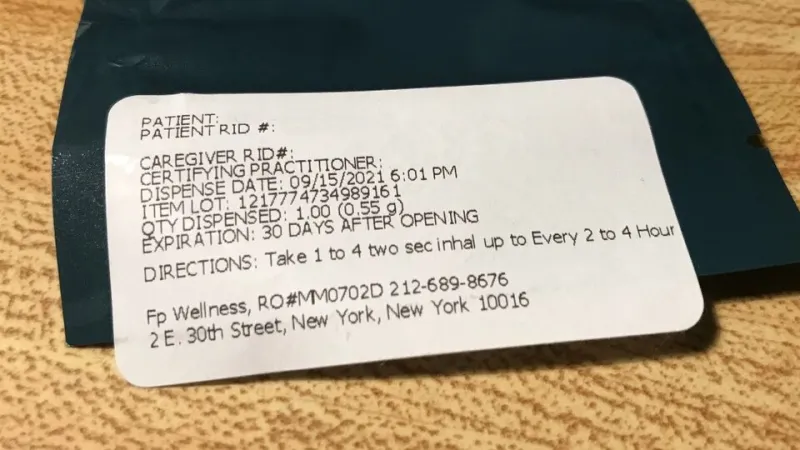
Start with the FSA list, then ask for the batch certificate. Check the label for CBD per dose, total CBD, carrier oil, batch number, expiry date and manufacturer details. Look at the shop’s website and see whether it repeats the same claims in writing. Buy from places that answer questions without getting defensive.
Avoid vapes with unknown diluents, oils in unmarked bottles and anything marketed as a “legal high”. CBD is not a high. The legal high street is not a free-for-all, but it is not a safe harbour either. A good purchase in 2026 is boring: paperwork, batch codes, honest labels and a retailer who does not mind being asked awkward questions. The counterculture bit is the awkward questions.