What a British High Actually Costs — and Why It Never Makes the Budget

Photo: usicegov, Public domain, via Wikimedia Commons
There is a particular kind of maths that happens in Britain after 9pm. A grinder gets tipped out. Someone eyes the remaining dust in the corner of the bag and thinks: that's probably two, maybe three joints, and it's Thursday. That's not budgeting. That's rationing.
And yet cannabis is one of the few regular expenditures in the country that almost nobody writes down. Booze gets a line in the monthly reckoning. Takeaways get one. The gym membership gets cancelled in January and reinstated in March. But the gram count? That stays in cash, in a tin, in a drawer, and it stays unspoken.
So let's speak about it.
The tenner that is never quite a tenner
On the street, the going rate for a gram has hovered stubbornly around a tenner for years — a number so fixed it has practically become folk law. Buy in slightly larger amounts and the maths softens: three and a half grams typically lands somewhere between £25 and £35 depending on postcode and quality, with hash, edibles and vape carts each carrying their own little mark-up.
Now scale it. A gram a day is £300 a month. That's £3,600 a year, and that's for someone whose habit is steady rather than heroic. Push it to two grams a day and you are staring down the barrel of £7,000 — comfortably more than a Band D council tax bill, and noticeably more than most people spend on their car insurance, their phone contract and their streaming subscriptions combined.
The strange part isn't the number. It's the fact that if you asked most daily users what they spent last year, they'd shrug. Ask them what they spent on coffee and they'd have a figure off the top of their head.
The legal route has its own meter running
For the growing number of people in the UK with a private cannabis prescription, the tenner bag has been replaced by something that looks a lot more like a utility bill. Initial clinic consultations tend to sit in the £25–£50 range, with follow-ups at £15–£30. Then there's the flower itself, typically somewhere between £5 and £12 a gram, plus delivery, plus the occasional repeat prescription fee.
Add that up and a moderate medical patient is often spending £100 to £200 a month — sometimes more, sometimes considerably more, depending on dose and product. None of it is covered by the NHS in any general sense. It is a private subscription to a legal medicine, invoiced monthly, and it does not pause when the boiler breaks.
That's the bit that rarely makes it into the celebratory coverage of medical cannabis in Britain: legality is not cheap. For some patients it is the difference between treating a condition and going without. For others, it is the moment they sit down and seriously ask whether the black market, with all its risks and unknowns, is still the cheaper option — and that is an uncomfortable question for a country that likes to think of itself as having settled the matter.
The accessories economy nobody warns you about
Then comes the paraphernalia. Nothing about cannabis consumption is a single purchase. There's the grinder, the papers, the lighter that vanishes weekly, the jar with the humidity pack, the vape battery, the replacement cart, the backup battery because the first one died.
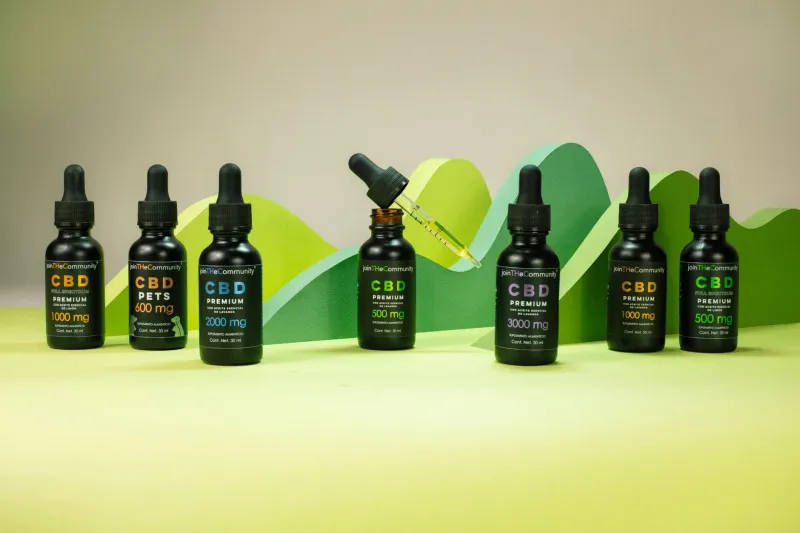
CBD has its own spending logic, and it is often worse. A 10ml bottle of decent full-spectrum oil can run from £30 to £70, and the dosage ladder means it may not last the month. Gummies, patches, drinks, balms — the wellness shelf is designed to be a subscription, not a one-off. Buy cheap and unverified and you may end up buying twice.
Individually these are small numbers. Collectively they are the reason so many people quietly underestimate their annual spend by a third.
The costs that never appear on a receipt
Some of the most expensive parts of a cannabis habit don't come with a price tag attached at the point of sale.
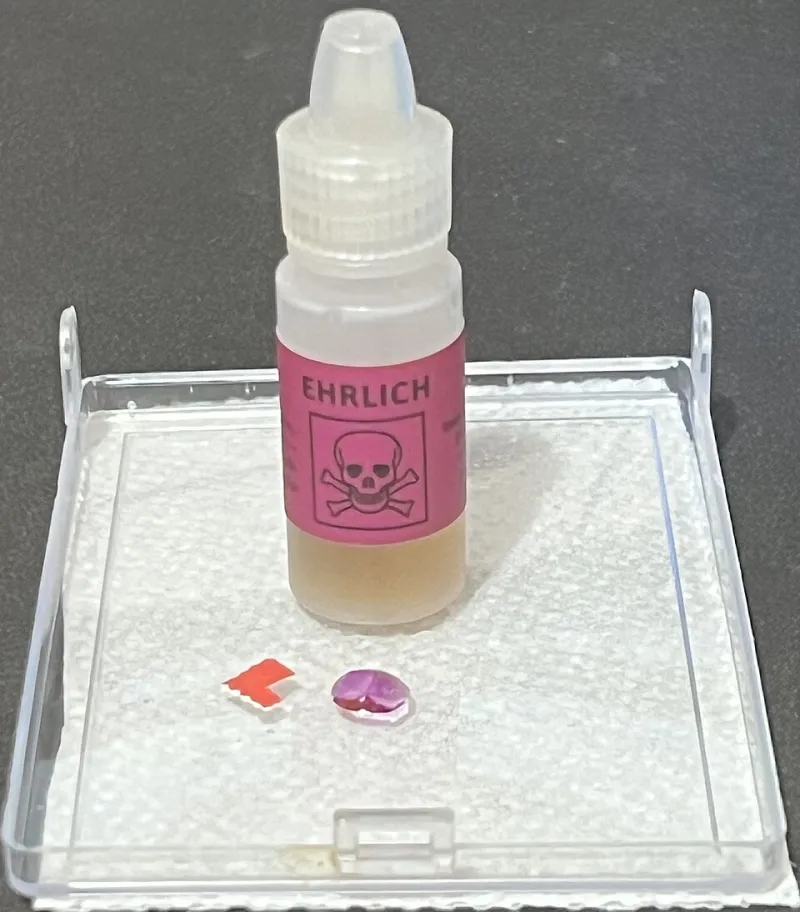
- Testing. Evidence of what's actually in your bag is scarce unless you send a sample off. Free services exist and are worth using, but they're slow. Private lab analysis runs into the tens of pounds, sometimes more.
- Travel. Clinics cluster in cities. If you're rural, the pharmacy courier or the train fare is part of the prescription.
- Time. Appointments, deliveries, the wait for a repeat. All of it is unpaid.
- Risk. For drivers, a swab at the roadside can turn a legal prescription into a legal problem, and legal problems cost more than any of the above.
- The tolerance tax. This is the quiet one. The dose that worked in January rarely works in December. Spend creeps upward not because prices rise, but because you do.
Luxury, lifeline, or just another bill?
The honest answer is that it depends entirely on who's asking. For a patient managing chronic pain or severe anxiety, cannabis is medication that happens to be private, and the monthly invoice is a health cost dressed up as a lifestyle one. For a recreational user, it's a pleasure that sits somewhere between a pint and a takeaway habit.
Compare it to alcohol and the numbers get interesting. At £5 or £6 a pint in most of Britain, a ten-pints-a-week drinker is looking at roughly £2,600 a year — less than a gram-a-day cannabis habit, more than a modest one. Nobody demands that drinkers justify themselves at the kitchen table. Very few cannabis users feel able to either.
The audit worth doing once
You don't need to moralise about your own spending to want to know what it is. Track a month. Count the grams, the carts, the oil, the delivery fees, the impulse CBD purchase at the checkout. Then multiply by twelve and look at the number without flinching.
Some people will find they're spending less than they feared. Plenty will find the opposite. Either way, a figure you can name is a figure you can decide about — and after years of keeping the whole thing off the ledger, that small act of accounting is its own quiet act of honesty.